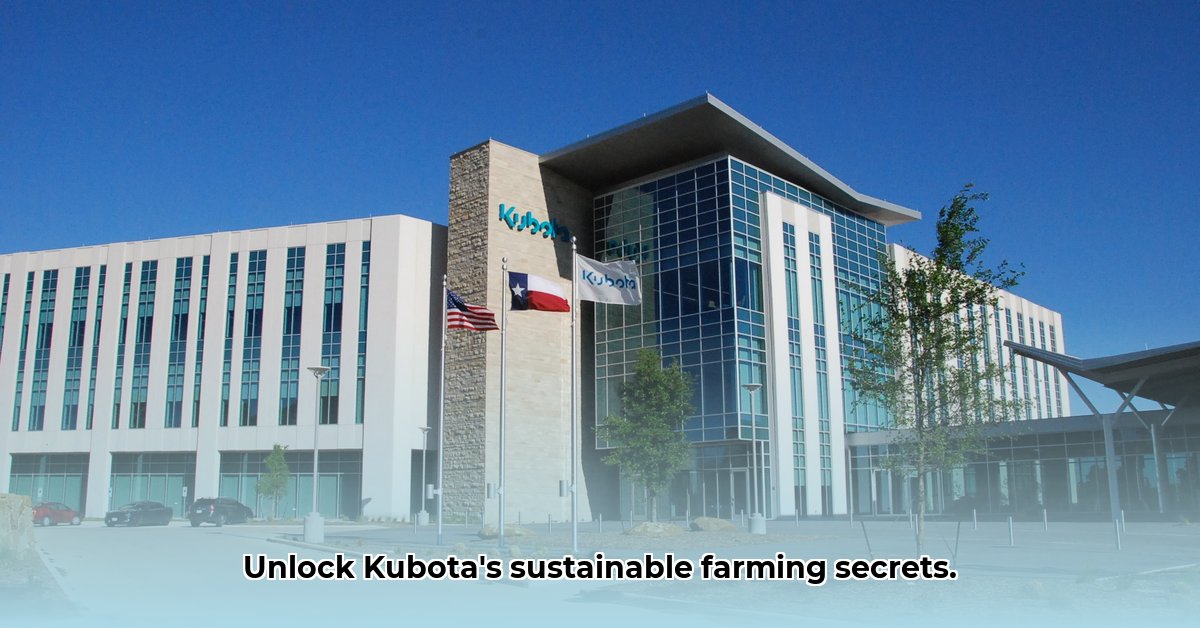
Precision irrigation is transforming agriculture, offering significant water and energy savings while boosting crop yields. Kubota's Grapevine, TX location leads the charge, providing innovative solutions for sustainable farming. For efficient Kubota tractor attachments, check out this resource. This guide explores how precision irrigation works, its benefits, and a step-by-step approach to successful implementation on your farm.
Kubota Tractor Corporation Grapevine TX: Sustainable Farming Solutions
Kubota's commitment to sustainable agriculture is evident in their advanced precision irrigation systems. These systems leverage cutting-edge technology to optimize water usage, leading to improved crop health and reduced environmental impact. This detailed guide provides a comprehensive understanding of Kubota's contributions to modern farming practices.
Precision Irrigation: Saving Water, Boosting Yields
Traditional irrigation methods, like flood or furrow irrigation, often waste significant amounts of water through evaporation and runoff. How can we improve efficiency? Precision irrigation addresses this inefficiency by delivering water precisely where and when it's needed. This targeted approach reduces water waste by up to 30%, conserving a precious resource and lowering water bills. Simultaneously, healthier plants resulting from optimized watering often translate to yield increases of 10-15%.
How Does the Technology Work?
Precision irrigation systems function as sophisticated water management systems for your farm. They integrate sensors (measuring soil moisture, temperature, and rainfall), intelligent software, and automated controls. Sensors embedded in the soil monitor moisture levels, providing real-time data to the central control system. This system then automatically adjusts water flow, ensuring each plant receives only the necessary amount of water. Think of it as a personalized, 24/7 irrigation expert for every plant on your farm. Some advanced systems even monitor plant health indicators for even greater precision.
Kubota's support extends beyond equipment provision. They offer comprehensive training and technical support, ensuring farmers can effectively utilize the technology to its full potential. Their commitment to education recognizes the importance of practical know-how for successful implementation.
Getting Started: A Step-by-Step Guide to Implementing Precision Irrigation
Implementing a precision irrigation system involves careful planning and execution. Here's a practical, step-by-step guide to successful implementation:
Assessment: Begin with a comprehensive farm assessment. This includes soil testing to determine water-holding capacity, analyzing your water sources (availability and quality), and understanding the specific water requirements of your crops. This foundational step ensures the system is tailored to your farm's unique conditions.
System Design: Based on the assessment, design your irrigation system. Select appropriate sensors (soil moisture, weather, etc.), automation components, and an irrigation method (drip, micro-sprinklers, etc.) that aligns with your needs and budget. Consult with Kubota experts during this phase for optimal system design.
Installation and Setup: Professional installation is often recommended to ensure the system is correctly installed and programmed. This includes precise sensor placement and accurate control system configuration. Kubota offers support in this critical phase.
Monitoring and Adjustment: Once installed, continuously monitor system performance and make adjustments as needed. This iterative process involves analyzing data from sensors and refining irrigation schedules based on actual conditions and plant responses.
Ongoing Maintenance: Regular maintenance is essential for long-term performance and reliability. This includes cleaning sensors, checking for leaks, and addressing any malfunctions promptly. Preventative maintenance ensures optimal system functionality.
Weighing the Pros and Cons: Is Precision Irrigation Right for You?
While precision irrigation offers compelling advantages, it's important to consider potential drawbacks before investing.
| Advantages | Disadvantages |
|---|---|
| Significant Water Savings (up to 30%) | High Initial Investment Cost |
| Increased Crop Yields (10-15%) | Requires Technical Expertise and Training |
| Lower Energy Bills | Potential System Malfunctions |
| Healthier Plants | Dependence on Reliable Power Supply |
| Reduced Environmental Impact | Potential Data Security Concerns (IoT) |
Considering these factors will ensure the decision aligns with your farm's specific circumstances and goals.
Kubota's Commitment to Sustainable Agriculture
Kubota's involvement in precision irrigation reflects a broader commitment to sustainable farming practices. Their comprehensive support, including training, technical assistance, and ongoing research and development, helps farmers successfully adopt and utilize this technology. This collaborative approach fosters long-term sustainability within the agricultural community.
The Future of Farming: A Smarter, More Sustainable Approach
Precision irrigation is not merely a fleeting trend; it represents a fundamental shift towards a more efficient and environmentally responsible approach to agriculture. By adopting this technology, farmers can reduce water usage, enhance yields, improve profitability, and minimize their environmental footprint. Kubota’s leadership in this area is paving the way for a greener and more productive future in agriculture.
How to Choose the Best Precision Irrigation System for Sustainable Farming
Choosing the right precision irrigation system is crucial for its success. Several factors must be considered.
Understanding Your Needs
Before selecting a system, conduct a thorough assessment of your farm's specific needs. This includes crop type, farm size, soil characteristics, water availability, and budget constraints. The optimal system will align with all these factors.
Exploring Irrigation Technologies
Several irrigation technologies are available, each with strengths and weaknesses:
- Drip Irrigation: Highly efficient, delivering water directly to plant roots. Ideal for orchards and vineyards.
- Sprinkler Irrigation: Versatile, suitable for various crops and field sizes. Requires careful design to prevent overwatering.
- Subsurface Irrigation: Water flows beneath the surface, reducing evaporation and weed growth. More complex to install.
- Micro-sprinklers: A hybrid approach, balancing the benefits of drip and sprinkler systems.
The best choice depends on your specific needs and budget.
The Role of Technology
Modern systems incorporate advanced technologies:
- Sensors: Provide real-time data on soil moisture, weather, and even plant health.
- Data Analytics: Software translates sensor data into actionable insights, optimizing irrigation schedules.
- Automation: Automated control systems adjust water delivery based on real-time data, ensuring efficient water usage.
These technologies maximize precision and minimize waste.
Implementing Your System
- Site Assessment: Conduct a thorough site assessment, including soil testing and water source analysis.
- System Design: Engage professionals to design a system tailored to your farm's unique characteristics.
- Installation: Ensure proper installation by experienced professionals to prevent future issues.
- Monitoring and Adjustment: Regularly monitor the system and make adjustments based on performance data.
Professional guidance throughout this process is highly beneficial.
Long-Term Considerations
Sustainability extends beyond initial implementation. Consider:
- System lifespan: Choosing durable, repairable components reduces long-term environmental impact.
- Environmental impact of materials: Opt for systems using recycled or sustainable materials whenever possible.
Investing in a sustainable system ensures a lasting positive impact on both your farm and the environment.
Making the Right Choice
Selecting the optimal precision irrigation system involves careful planning, expert consultation, and a strong commitment to sustainability. Combining your farm's specific needs with the latest technological advances ensures a successful and rewarding outcome. Remember, this is an investment in your farm's future prosperity and environmental responsibility.